In modern meal prep, the lunch box is more than just a container—it directly affects food safety,
taste, and daily
convenience.
While plastic, stainless steel, ceramic, and glass are all commonly used, their performance varies
significantly
when it comes
to heat resistance, hygiene, durability, and long-term health impact.
This guide breaks down the real-world pros and cons of each material, helping you choose the lunch
box that best
fits your
lifestyle, whether for daily office meals, home use, or on-the-go routines.
1. Plastic Lunch Boxes: Lightweight Convenience with
Long-Term Risks
1.1 Common Plastic Materials Used in Lunch Boxes
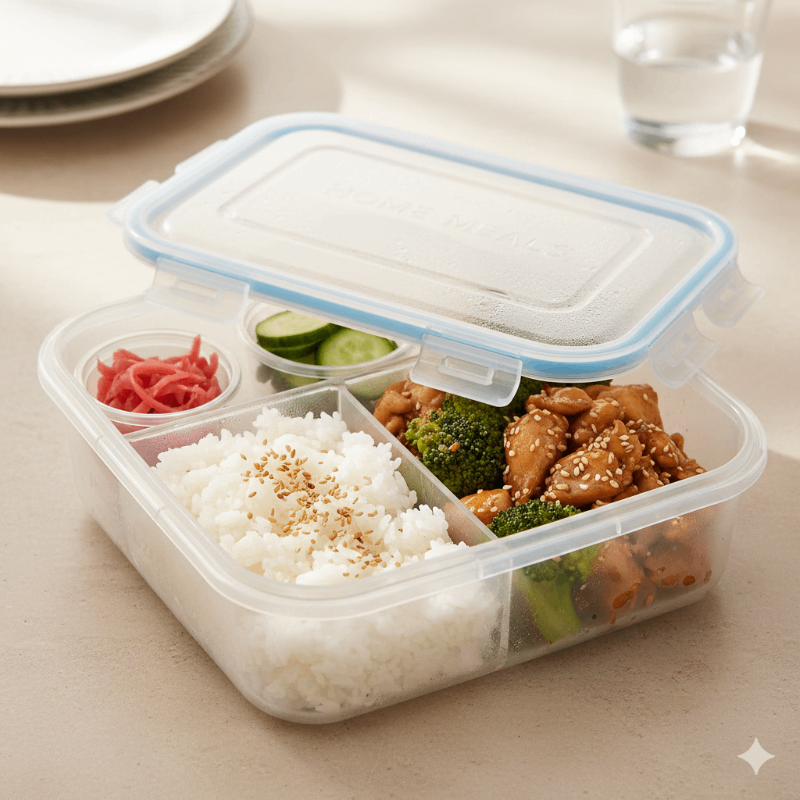
Plastic lunch boxes are widely used due to their low cost, light weight, and
convenience. The most common materials include:
Polypropylene (PP): Heat-resistant compared to other plastics and often labeled
microwave-safe, but chemical stability is limited.
Polyethylene (PE): Lightweight and flexible, used in lids and soft containers,
but with lower heat tolerance.
Tritan™ Copolyester: BPA-free and durable, offering improved clarity and
toughness, but still a synthetic polymer with potential chemical migration under heat.
1.2 Food Safety Concerns Under Heat
Even BPA-free plastics are not completely chemical-free. Substitutes such as BPS
or other bisphenols may migrate into food when exposed to hot, oily, or acidic meals. Repeated daily
exposure to such compounds is a growing concern among health-conscious consumers.
1.3 Hygiene, Odor, and Staining Issues
Plastic is microscopically porous, which allows it to absorb oils, pigments, and
odors. Over time, this can lead to:
Persistent food odors such as garlic or curry
Staining from colored sauces or spices
Difficulty fully removing bacteria even after washing
1.4 Durability & Environmental Impact
Plastic lunch boxes are prone to scratching, warping under heat, and becoming
brittle over time. Their short lifespan, coupled with low recycling efficiency, contributes to
microplastic pollution and environmental concerns.
1.5 Best Use Case & Verdict
Best suited for: Cold storage, dry snacks, or occasional use.
Not recommended for: Microwave reheating, hot or acidic meals,
or daily long-term meal prep.
Professional Verdict: Plastic lunch boxes offer convenience but
limited safety and durability. They serve as a short-term solution, and users seeking long-term,
chemical-stable, and odor-free containers should consider alternatives such as glass or stainless
steel.
2. Stainless Steel Lunch Boxes: Exceptional
Durability with Practical Trade-Offs
2.1 Food-Grade Stainless Steel Explained
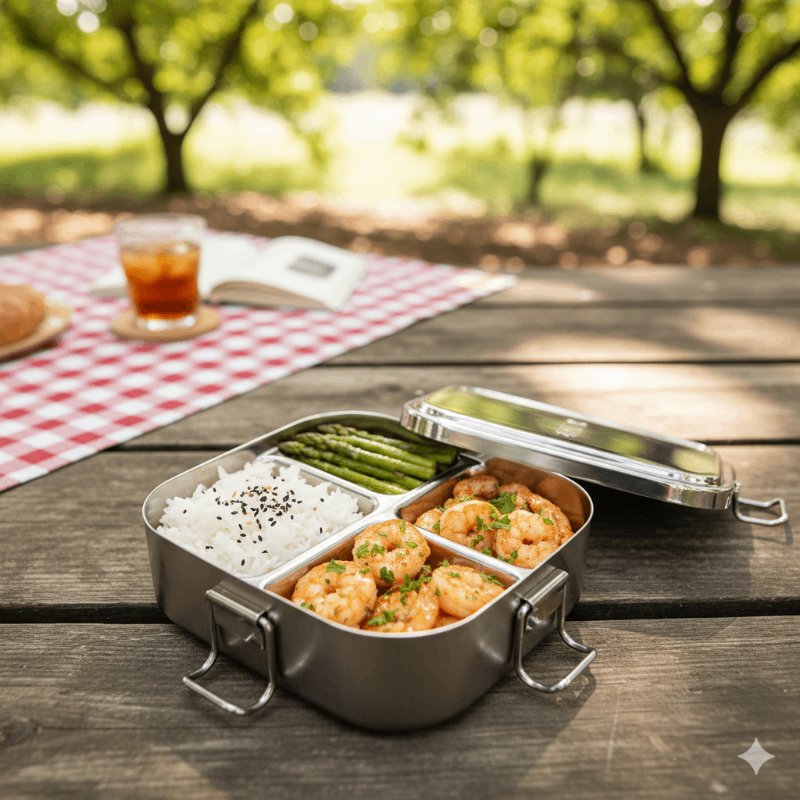
High-quality stainless steel lunch boxes are typically made from 304 or 316
stainless steel:
304 Stainless Steel (18/8): Contains 18% chromium and 8% nickel, resistant to
rust, durable, and safe for food contact.
316 Stainless Steel: Includes molybdenum for enhanced corrosion resistance,
widely used in premium containers.
Both grades are non-porous and chemically stable, making them safe for most
foods.
2.2 Key Strengths: Strength, Hygiene, and Longevity
Stainless steel lunch boxes are highly durable and hygienic:
Resistant to impact, drops, and daily wear
Non-porous surface prevents odor, oil, or bacteria buildup
Long-lasting and rarely requires replacement
2.3 Microwave Incompatibility
A major limitation is that stainless steel cannot be used in microwaves. This
requires transferring food to another container for reheating, which reduces convenience in daily
office or school use.
2.4 Taste Interaction & User Experience Considerations
Some users notice a faint metallic taste when storing acidic foods like tomato
sauce or citrus-based dishes. Additionally, stainless steel is opaque, preventing users from easily
identifying contents.
2.5 Best Use Case & Verdict
Best suited for: Cold lunches, outdoor activities, hiking, or
travel.
Less suitable for: Office meals with microwave use, daily
reheating, or easy visual identification.
Professional Verdict: Stainless steel is hygienic and extremely
durable but sacrifices convenience for daily reheating. Ideal for cold meals and rugged
environments.
3. Ceramic Lunch Boxes: A Home-Style Experience with
Portability Limitations
3.1 What Ceramic Lunch Boxes Are Made Of
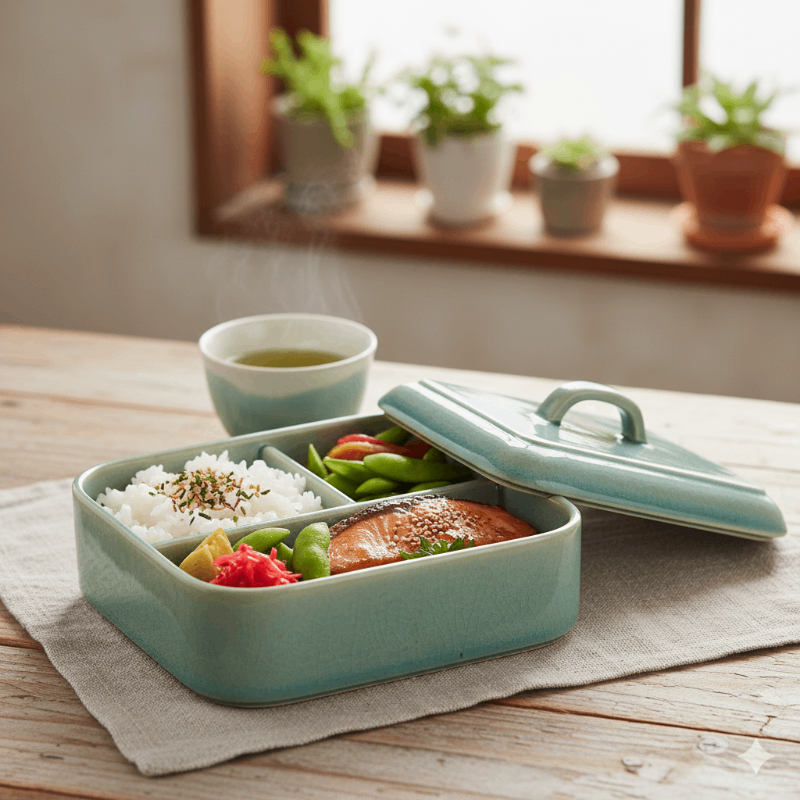
Ceramic containers are made from clay, kiln-fired and coated with a glass-based
glaze. Properly manufactured ceramic is chemically stable and does not react with food, maintaining
flavor integrity.
3.2 Key Advantages: Taste Neutrality and Heat Retention
Advantages of ceramic lunch boxes include:
Non-reactive surface preserves flavor and aroma
Excellent heat retention
Table-ready aesthetic, no need to transfer food to a plate
3.3 Weight and Fragility Concerns
Ceramic containers are significantly heavier than other materials, and even minor
drops can cause cracks or breakage, limiting portability.
3.4 Glaze Safety and Quality Considerations
Low-quality decorative glazes may contain lead or cadmium, which can leach into
food under heat or acidic conditions. Only certified food-safe, lead-free, and cadmium-free ceramic
should be used.
3.5 Best Use Case & Verdict
Best suited for: Home or office stationary meals, work-from-home
lunches, and aesthetically-focused dining.
Less suitable for: Commuting, travel, or outdoor activities
requiring durability and light weight.
Professional Verdict: Ceramic offers a refined dining experience
but is fragile and heavy, making it impractical for daily transport.
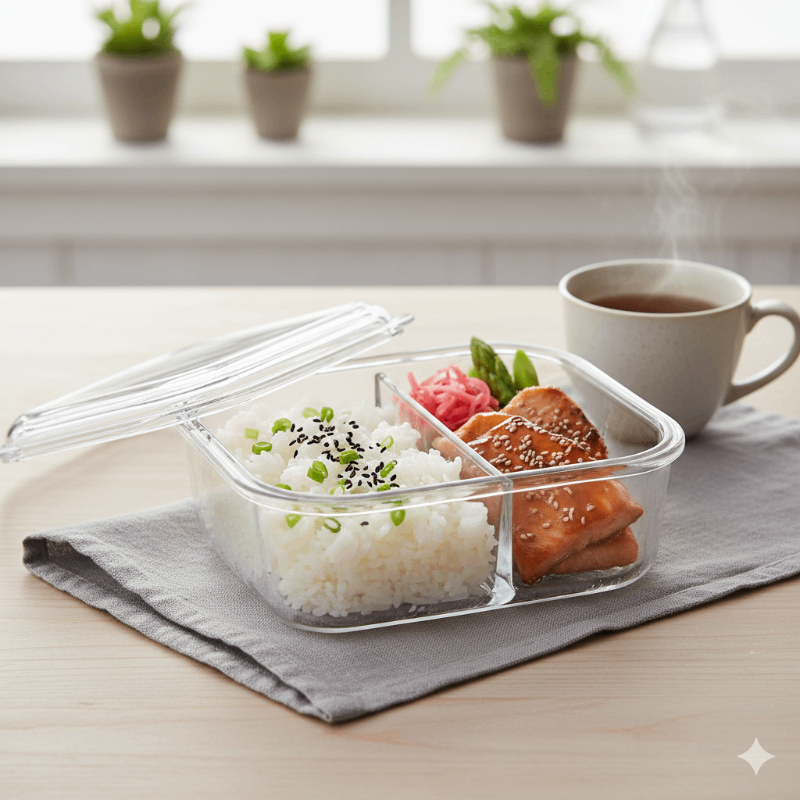
4. Glass Lunch Boxes: The Safest and Most Versatile Choice
4.1 Why Glass Is Inherently Food-Safe
Glass is non-porous, chemically inert, and does not absorb odors or flavors.
Unlike plastics, it contains no additives that can migrate into food, ensuring the purity and taste
of meals.
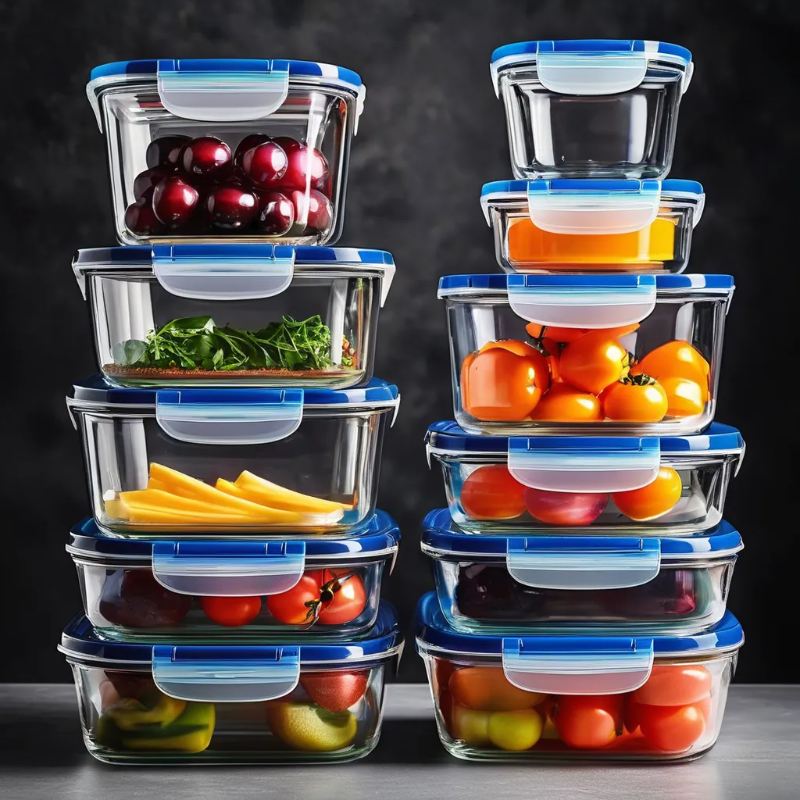
4.2 Soda-Lime Glass Lunch Boxes (Standard Glass)
Soda-lime glass is affordable and widely available. It is suitable for
refrigerated storage but sensitive to sudden temperature changes (thermal shock), such as freezer →
microwave transitions.
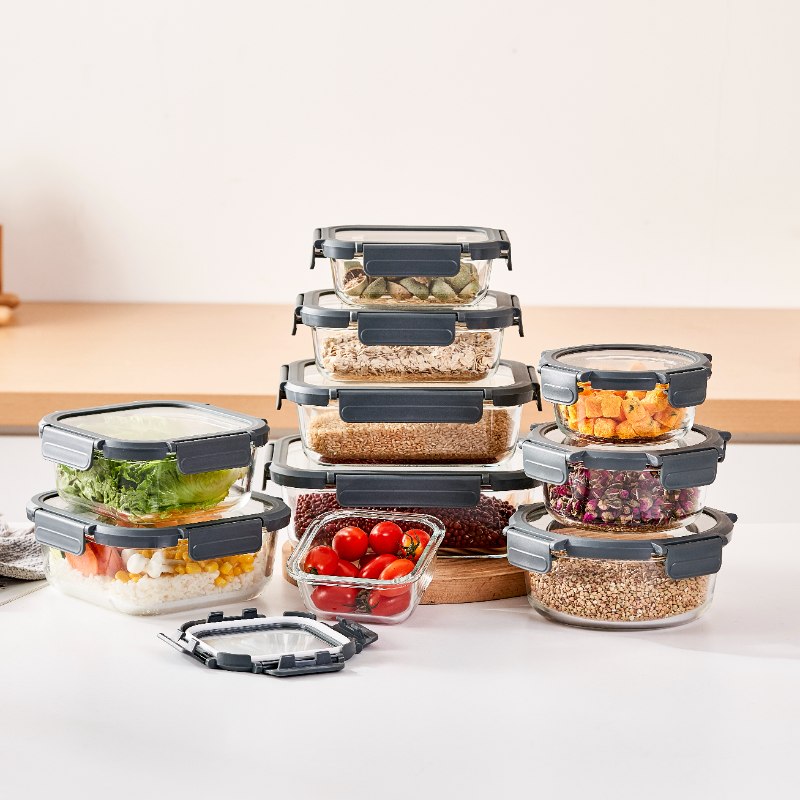
4.3 High Borosilicate Glass Lunch Boxes (Premium Performance)
High borosilicate glass contains boron trioxide, giving it low thermal expansion
and high durability. It is safe for freezer → microwave → oven use, dishwasher-safe, and preserves
food flavor without odor or stain retention.
4.4 Best Use Case & Verdict
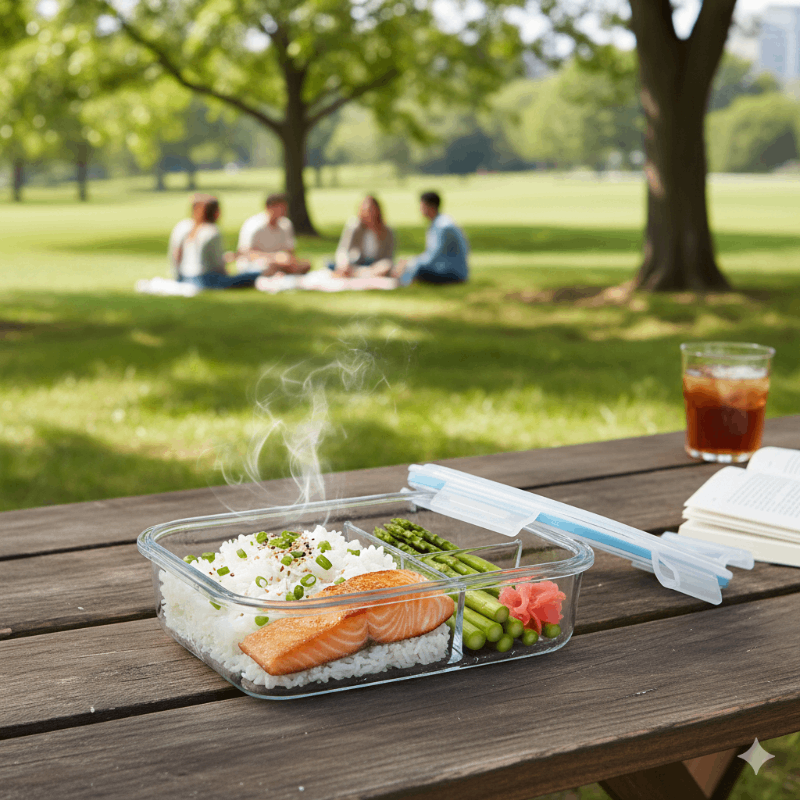
Best suited for: Daily meal prep, freezer-to-microwave use, hot,
oily, or acidic meals, and users seeking long-term durability and safety.
Professional Verdict: Glass, especially high borosilicate, is
the safest and most versatile choice. It balances convenience, hygiene, durability, and chemical
stability for modern meal prep.
5. Final Comparison Table: Plastic, Stainless Steel, Ceramic,
and Glass Lunch Boxes
The table below summarizes the key differences between the four main lunch box
materials, highlighting their strengths, weaknesses, and best use cases.
After analyzing plastic, stainless steel, ceramic, and glass lunch boxes, the
differences are clear:
Plastic: Lightweight and convenient, but chemical risks, odor retention, and
short lifespan limit its use.
Stainless Steel: Extremely durable and hygienic, ideal for cold meals and
outdoor activities, but not microwave-safe.
Ceramic: Elegant and non-reactive, great for home or office stationary meals,
but heavy and fragile for commuting.
Glass (High Borosilicate): Chemically inert, non-porous, heat-resistant, and
dishwasher-safe, making it the safest and most versatile choice for daily meal prep.
Professional Verdict: For modern meal prep, glass lunch
boxes—especially high borosilicate glass—offer the ideal combination of safety, convenience,
durability, and flavor preservation. Soda-lime glass works well for refrigerated storage, while
borosilicate glass is perfect for freezer-to-microwave or oven use, ensuring long-term reliability.
Key Takeaways:
Material choice directly affects food safety, taste, and hygiene.
High borosilicate glass eliminates most common issues found in other materials.
Select containers that fit your lifestyle—commuting, office, outdoor, or home—while prioritizing
health and convenience.
Choosing the right lunch box is not just about convenience—it is an investment in
a safer, cleaner, and more sustainable daily routine.
Coco Hu is the Business Director, recognized for her expertise in client
relationship management and end-to-end project coordination within the global glassware market.
She specializes in translating complex client requirements into actionable manufacturing
solutions, ensuring seamless communication and high-quality delivery. Through her articles, Coco
shares practical advice on sourcing logistics, product customization, and navigating
international trade regulations to help partners streamline their supply chain operations.